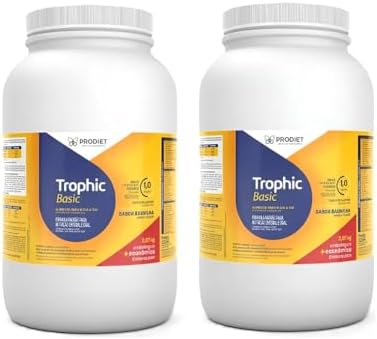
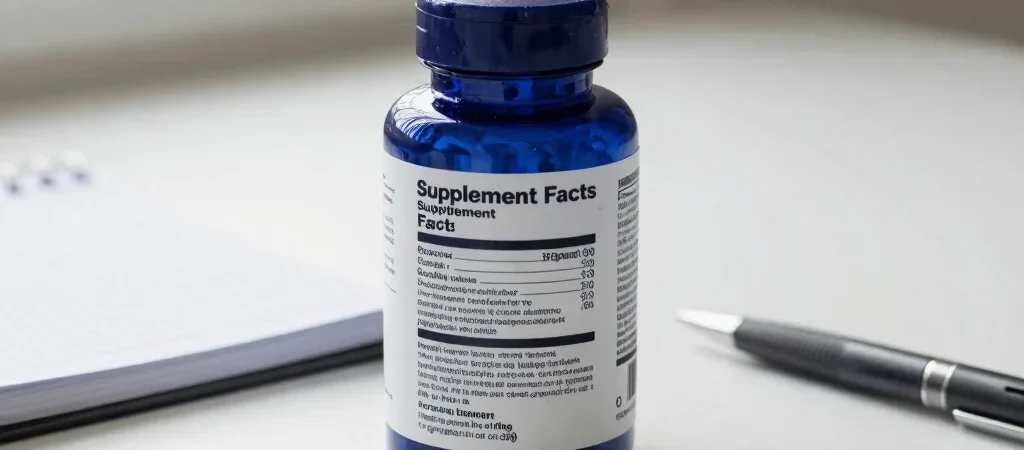
A bottle can make a confident promise in large type while the details you need sit in small print on the back. Start there. A supplement label can help you understand what a product contains and how it is presented, but it cannot, by itself, establish that the product will work for you.
Start with the serving details
Look at serving size first, then compare it with the amount of each listed ingredient per serving. A bottle’s total ingredient amount and the amount in one serving are not necessarily the same thing. Also check how many servings the directions suggest and whether the label names the form of an ingredient.
For a blend that lists only a combined amount, you may not be able to tell how much of each ingredient it contains. Note that limitation rather than guessing. The ingredient list can also flag components you may want to ask a qualified health professional about, especially if you use medication or have an existing health concern.
Separate claims from evidence
Phrases on the front panel are marketing claims, not a substitute for evidence about a specific product or outcome. In the United States, dietary supplements generally are not approved by the FDA for safety and effectiveness before they are marketed. That makes it important to distinguish what the label says from what has been independently established.
Check the manufacturer or distributor information, directions, warnings, and contact details. If a claim sounds absolute, or the label leaves an important amount unclear, treat that as a reason to pause and look for better information. A careful reader does not have to turn uncertainty into a recommendation.